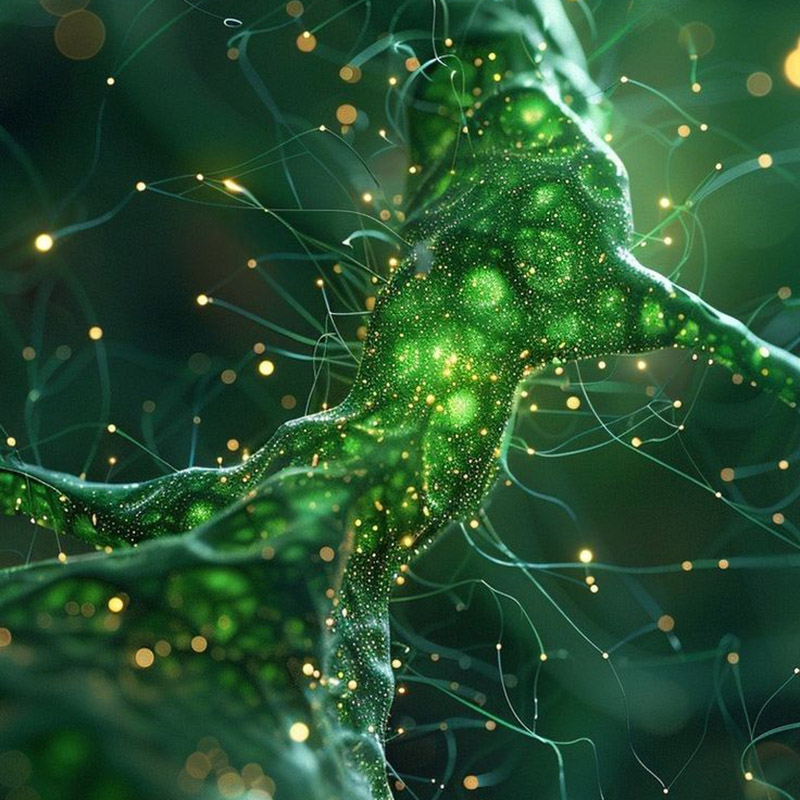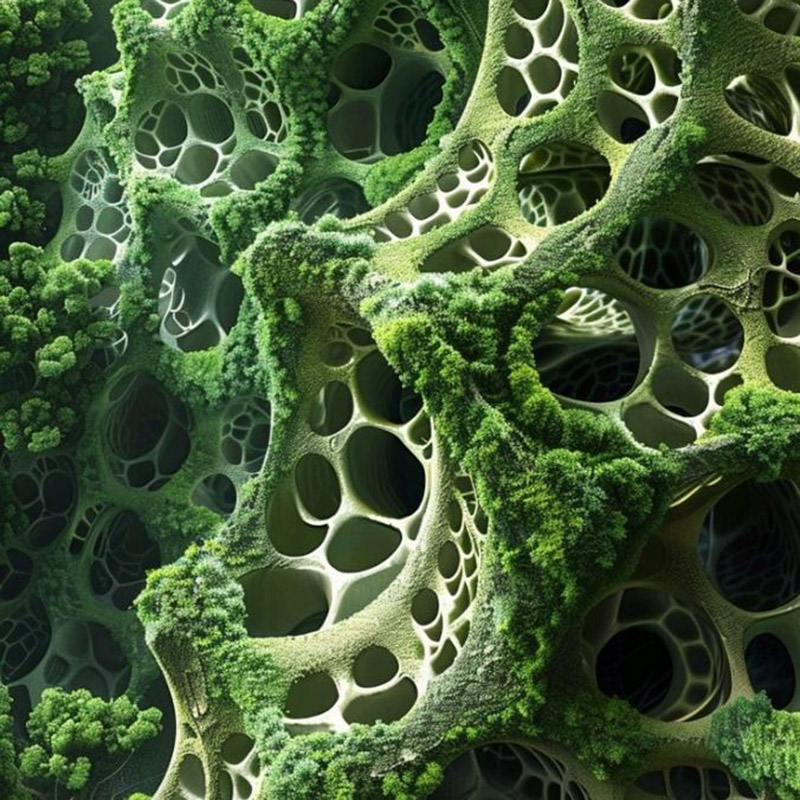
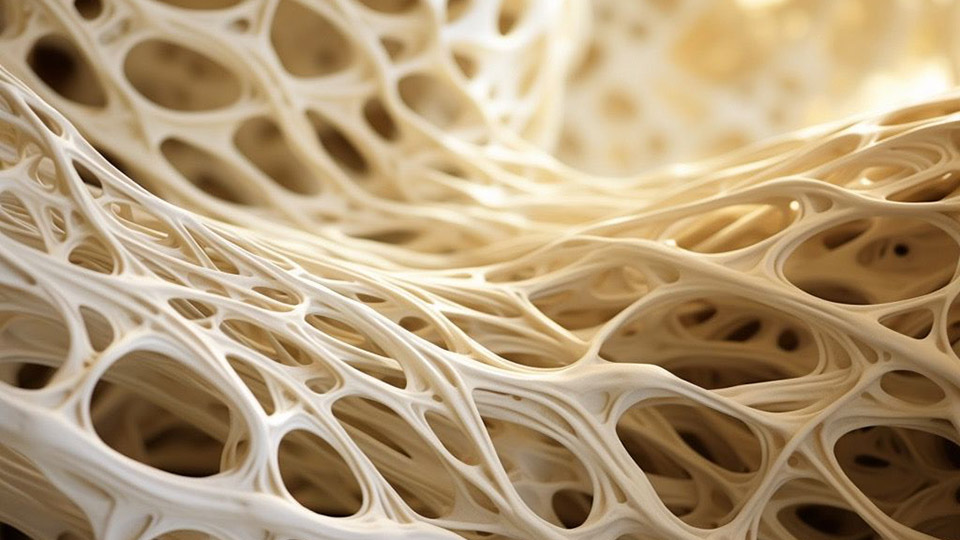
We are living in an exciting era where biotechnology is revolutionizing industrial applications and processes through remarkable nature-inspired innovations. Deep R&D into naturally occurring processes has spawned a world of incredible, and scaleable, development including mycelium-based fabrics and building materials, enzymatic industrial processes, and microbial manufacturing. But while the inspiring potential for a more sustainable future where we can grow our circular economy and coexist in greater harmony with nature becomes more of a feasible reality, explaining complex scientific concepts to diverse audiences and investors remains a significant challenge. Given the urgency of our current environmental situation, it is especially critical to have clear, concise and cohesive communication, not only with consumers, but between companies, organizations, research facilities, manufacturing plants and governing bodies. This is where animation emerges as a powerful communication tool, bridging the gap between sophisticated science and accessible storytelling.
Why Animation Matters in Bio-Inspired Innovation
Biotech companies leveraging biological systems and natural processes—like fermentation, synthetic biology, or biomimicry—often struggle to visualize what cannot be seen with the naked eye. Molecules, cells, enzymes, and microbial interactions happen at the microscopic or molecular level. Animation allows these unseen processes to become visible, tangible, and understandable.
1. Making the Invisible Visible
One of animation’s greatest strengths lies in its ability to visualize what traditional cameras cannot capture. From the decomposition of organic waste by engineered fungi to the real-time effect of bio-based coatings on industrial surfaces, animation enables biotech companies to demonstrate these microscopic and time-lapsed phenomena with clarity and impact.
Visualize biological processes with stunning clarity
2. Educating Investors and Stakeholders
While most investors are not scientists, it is critical for them to understand the value proposition and mechanism behind a new bioengineered product for them to make a confident investment decision. Animation distills complex processes into engaging, digestible narratives, giving stakeholders a clear understanding of how natural processes are being transformed into scalable, industrial solutions.
3. Boosting Marketing and Brand Trust
Animation enhances brand storytelling by showcasing transparency and innovation. A short animated video explaining how bacteria and fermentation are used to break down agricultural waste and re-formulate it into biodegradable packaging not only educates the public but also builds credibility and emotional connection. This is especially valuable in sustainability-focused markets where authenticity is key and your proprietary process serves to benefit the greater good. When people care, they connect.
4. Accelerating Partnerships and Sales
B2B customers—such as manufacturers, agricultural suppliers, or construction firms—need to see how a bio-tech product fits into their workflow. Animation can simulate product integration, lifecycle impact, or operational benefits, making the sales conversation faster and more compelling.
Educating your audience about the benefits of your process helps boost your bottom line
5. Supporting Scientific Communication
Whether presenting at conferences or publishing findings online, animation serves as a visual aid to complement scientific storytelling. It can visually illustrate workflows, bio-engineered processes, or potential use cases in a way that static diagrams and visuals cannot. While scientists and engineers are familiar with complex data graphs and analysis charts, most other people need the critical information to be broken down and distilled into more digestable terms. And since studies have shown that retention rates are far greater when complex concepts are presented visually, animation simply makes communication clearer. This is critical for researchers, universities, and bio-tech startups aiming to collaborate or publish their work.
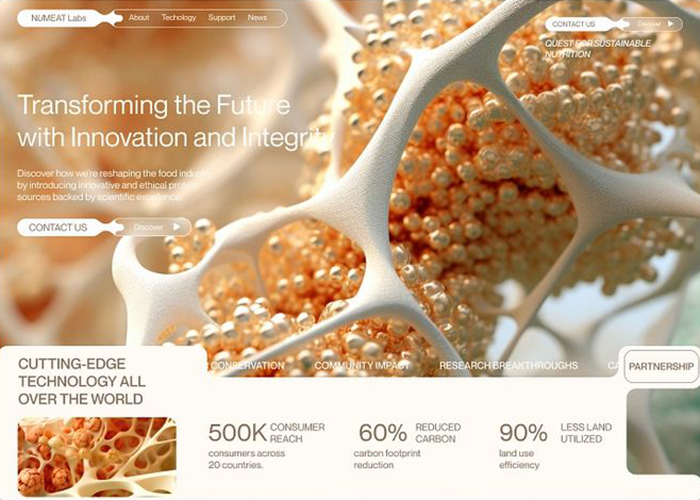
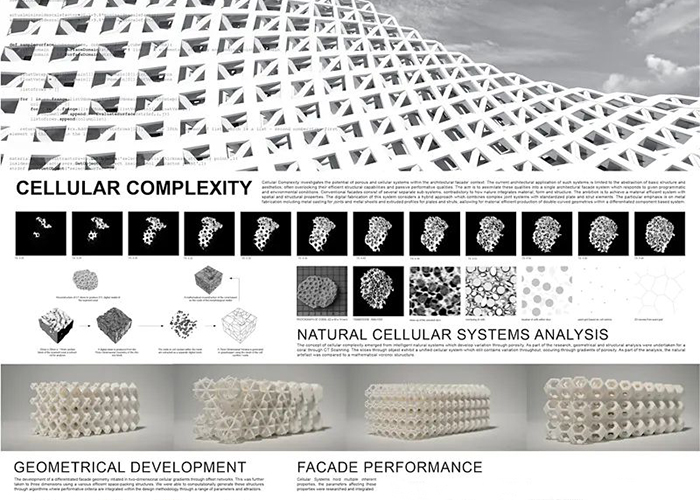
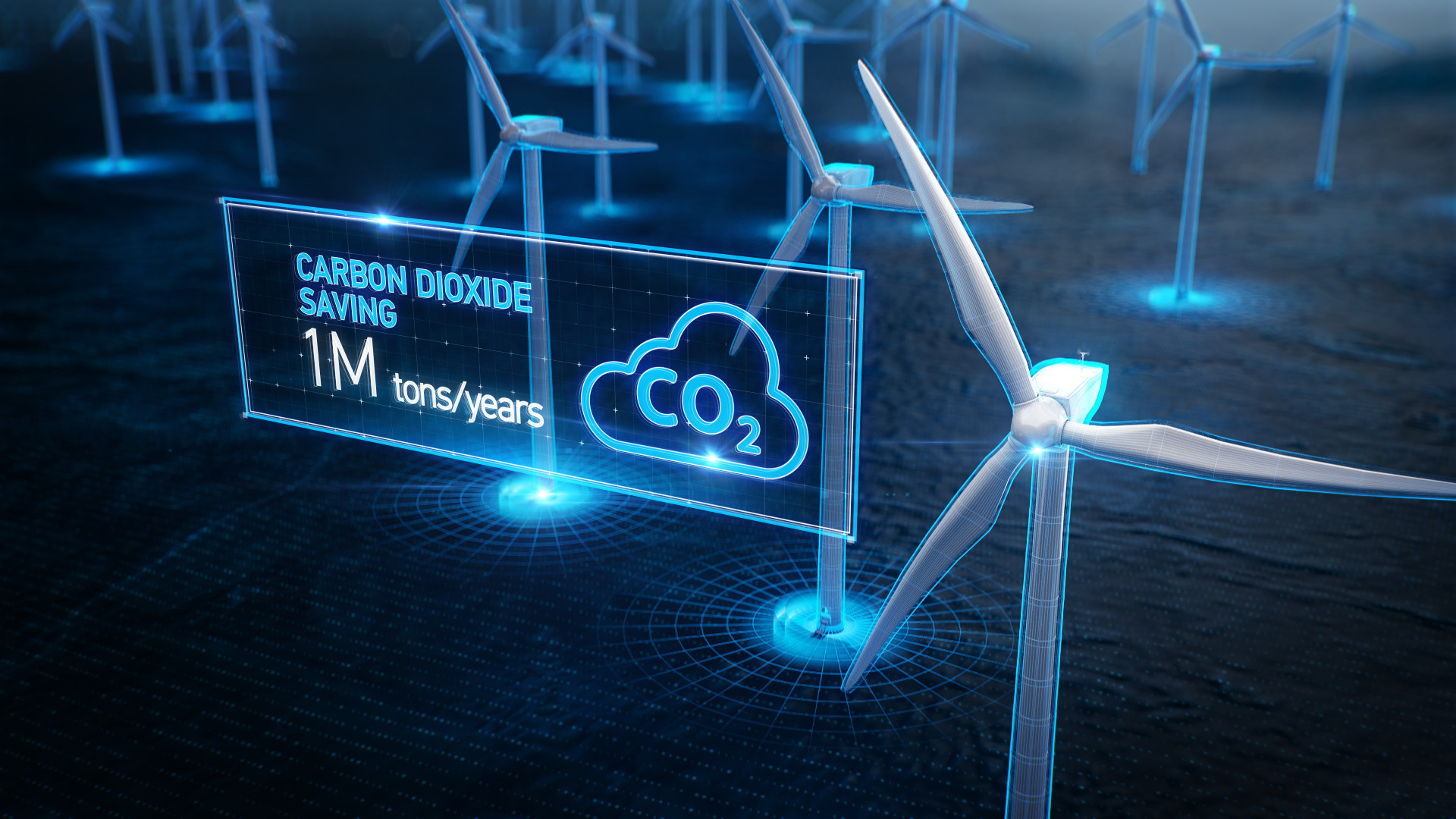
Graphic data and complex biological details help clarify your message
Application Examples Across the Natural Bio-Tech Landscape
- Mycelium-based composites: Show how fungi grow into molds and replace synthetic foams or bricks.
- Enzymatic textile processing: Visualize eco-friendly treatments replacing chemical-intensive processes in fashion.
- Bacterial fermentation for packaging: Animate fermentation chambers turning food waste into packaging films or bio-fuel.
- Microalgae bio-reactors: Illustrate carbon capture and conversion into usable fuels or plastics.
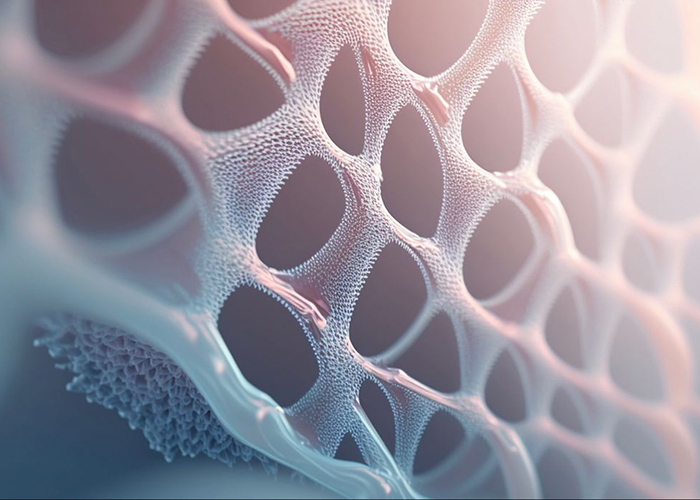
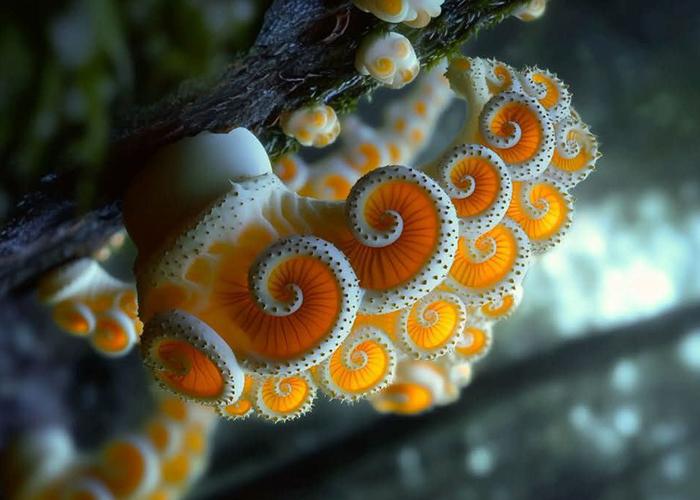
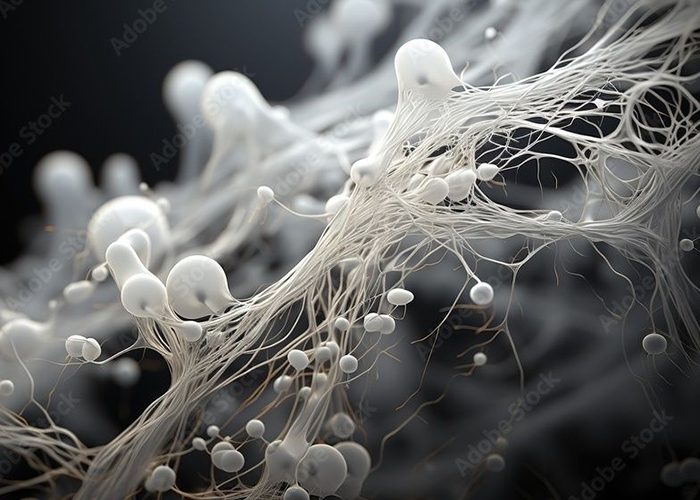
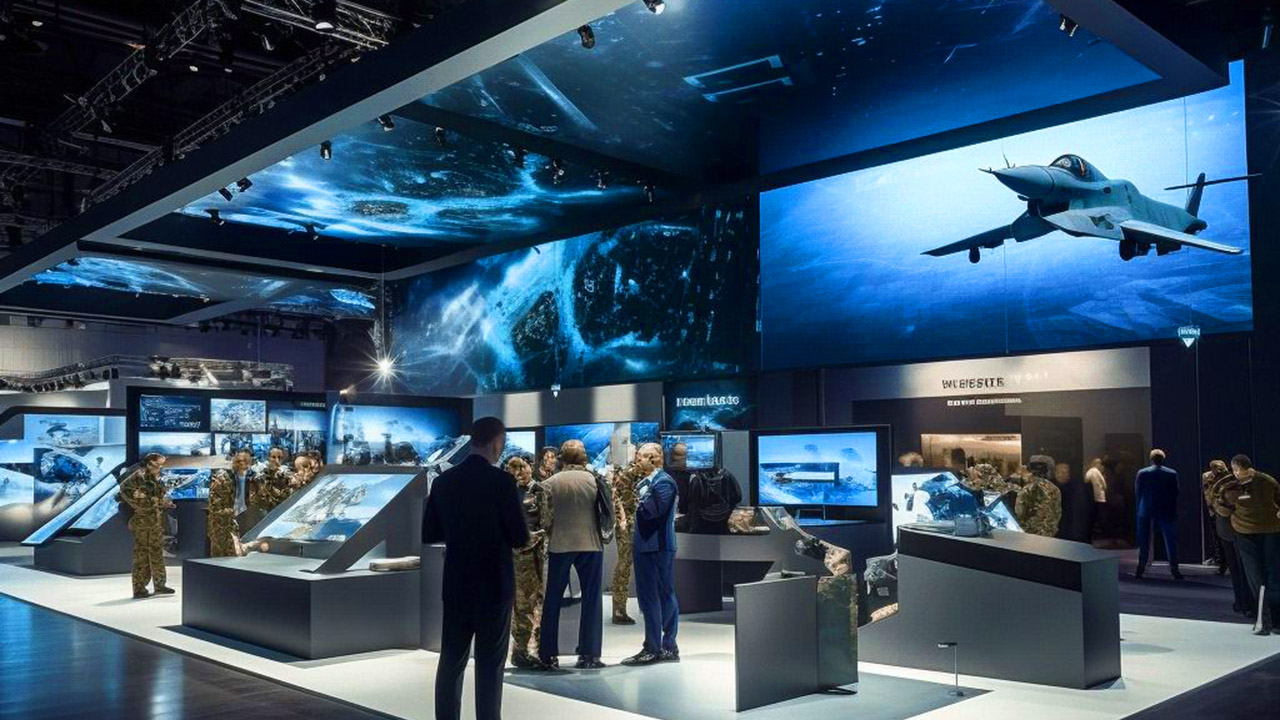
Fully scaleable from on-site devices to custom video screens right through to attention grabbing wall projections
A Future-Proof Investment
As industrial biotech continues to intersect with sustainability and circular economy goals, animation becomes not just a communication tool—but a strategic asset. Companies that embrace animation will not only communicate more effectively, but also foster trust, boost outreach, and accelerate adoption of their nature-based innovations.
Whether you’re a startup reimagining materials with microbes or a scale-up engineering enzymes for cleaner manufacturing, animation can help you tell your story, clarify your science and, like any good mycelium network, spread your message far and wide.